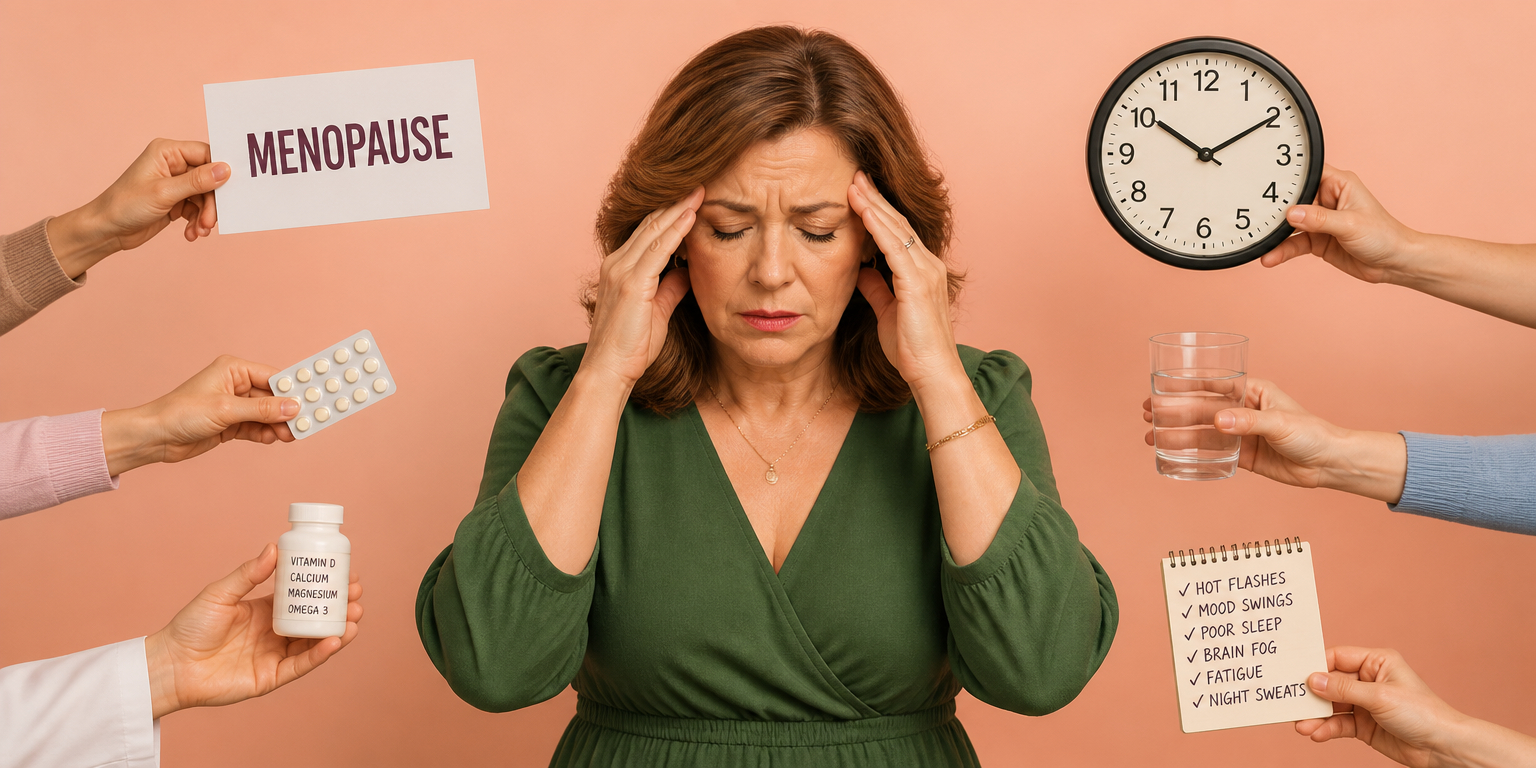

Why Memory Fades During Menopause: What New Research Reveals
Memory loss and “brain fog” are among the most frequent complaints as we age, affecting up to 75% of older adults. While middle-aged women consistently outperform men of the same age on memory tests, many women transitioning through menopause report feeling increasingly forgetful.
A study led by researchers at Harvard Medical School provides critical insight into why this happens—and validates what millions of women experience during midlife.
The Link Between Estrogen and Memory
The study, led by Dr. Jill Goldstein—a professor of psychiatry and medicine at Harvard Medical School—examined 212 men and women aged 45 to 55. Researchers conducted a series of cognitive tests to evaluate memory, executive function, word processing, and verbal intelligence.
The findings highlighted a clear connection between hormonal shifts and cognitive performance:
- Menopause vs. Pre-Menopause: Women who had completed menopause performed lower on memory assessments compared to women who had not yet gone through the transition.
- The Role of Estrogen: Falling estrogen levels in older women were directly linked to a reduced ability to learn new information and recall recent memories.
- What Remains Intact: Notably, the study found that memory storage and consolidation were not affected—meaning the underlying capability to hold onto stored memories remains intact, even if immediate retrieval feels harder.
Brain Fog Is Real—And Should Be Taken Seriously
For years, midlife memory lapses were often dismissed as minor stress or simple fatigue. However, this study—published in the journal Menopause—proves that subjective complaints about forgetfulness align with measurable changes in cognitive processing.
“Brain fog and complaints of memory issues should be taken seriously. This study and others have shown that these complaints are associated with memory deficits,” the research team emphasized.
Key Takeaways
- Women Still Lead in Verbal Memory: Despite age-related shifts, middle-aged women generally continue to score higher than men their own age on memory tests.
- Estrogen Drives Learning & Recall: The primary cognitive impact of lower estrogen during menopause is on processing new information and rapid recall, rather than long-term memory retention.
- Validation for Midlife Women: Understanding that “brain fog” stems from measurable neurochemical changes helps demystify menopause-related cognitive shifts.